A half-ton truck on passenger tires can feel fine empty and vague, hot, and squirmy with a trailer behind it. The difference is not brand or tread pattern. It is load range, the rating that says how much weight the tire is built to carry at a given pressure, and it is the spec that matters most when a truck in Kings Mountain actually works.
At The Tire Place LLC, the truck tire conversation starts with use, not size. This how-to walks through reading your current tires, matching them to how you tow and haul, and knowing which parts of the job are yours and which belong on a shop floor.
P-metric and LT are different tools
Many trucks leave the factory on P-metric tires, sized like P265/70R17. The P stands for passenger, and the tire is tuned for ride comfort and lighter loads. LT tires, sized LT265/70R17, are light truck tires with stronger construction, stiffer sidewalls, and higher load capacity at higher pressures. An LT tire is not automatically better. On a truck that never tows and rarely hauls, it can ride harshly and cost more grip in some conditions. On a truck that pulls a camper, boat, or equipment trailer regularly, P-metric tires are often the weak link.
Load range describes how strong the casing is, expressed in letters that replaced the old ply rating. Common truck ranges run from C through E, with Load Range E tires common on three-quarter and one-ton trucks. The sidewall also lists a load index and a maximum load per tire at maximum pressure. Those figures, multiplied across an axle, need to cover the loaded axle weight with margin, not just meet it on paper.
Match the tire to the job, step by step
- Copy the size, load index, and load range from your current sidewall, and copy the tire and loading information from the driver door placard. The placard is the manufacturer's baseline for your truck.
- Write down your real use: the heaviest trailer you tow, its tongue weight, typical bed loads, and how often. A landscaping trailer twice a week is a different case from a boat twice a year.
- Compare per-tire capacity with your truck's gross axle weight ratings, also on the placard or certification label. Capacity per axle should comfortably exceed the rating, especially on the rear axle that carries tongue weight.
- Decide P-metric or LT. Frequent towing near your truck's rating, heavy bed loads, or gravel and job-site use point toward LT. Mostly empty commuting points toward staying with the placard specification.
- Set pressure for the load. LT tires often need more pressure than the placard's P-metric figure to carry the same weight, and a shop can work from published load and inflation tables rather than guessing.
- Have the tires mounted, balanced, and torqued by a shop, and ask for the old sidewall figures and new ones to be compared before you leave. Heavy truck wheels and high pressures are not a driveway learning exercise.
Pressure is part of the rating
A Load Range E tire run at low pressure does not carry its rated load. Underinflated truck tires flex, heat up, and wear their shoulders, and a towing trip on a hot Kings Mountain afternoon is exactly when that heat peaks. Check pressures cold, before driving, and remember the rear tires may need a different figure when towing than when empty, within the limits on the sidewall and the truck maker's guidance. The trailer's own tires need the same check, since trailer tires often fail from age and underinflation rather than worn tread.

Where the professional line sits
You can read sidewalls, keep a load diary, check pressures, and inspect for cuts, bulges, and uneven wear. Mounting, balancing, load-table pressure setting, and judging whether a casing is damaged belong to the shop. So does any mix-and-match question. Mixing P-metric and LT tires on the same truck, or different load ranges on one axle, changes handling in ways that are hard to predict, so a full matched set or at least a matched axle pair, fitted with guidance, is the safe route. If the truck wanders or the trailer sways after new tires, go back promptly. Pressure, balance, and alignment all need checking before the next tow.
Common questions
Do I need LT tires to tow a small trailer?
Not always. Occasional light towing within the truck's placard ratings is what many P-metric tires are fitted for. Frequent or heavy towing is where LT construction earns its place.
What load range do most heavy-duty pickups use?
Load Range E is common on three-quarter and one-ton trucks. Check your placard and sidewall, because the right range depends on the specific truck and axle ratings.
Can I run my LT tires at the door placard pressure?
Maybe not for full loads. LT tires carry weight at different pressures than P-metric tires, so have a shop check the load and inflation table for your load.
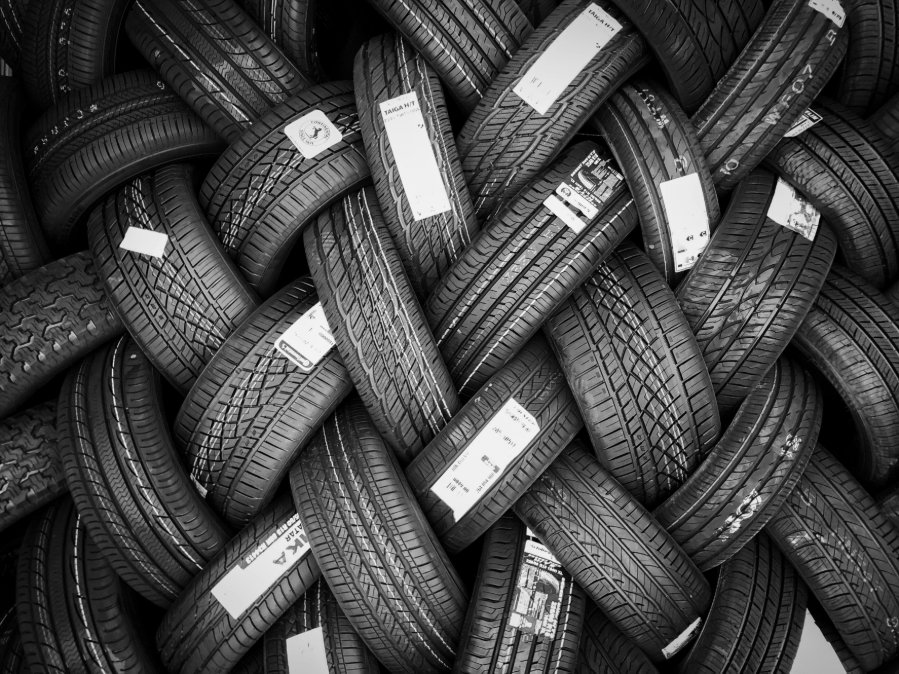
Photos in this guide are representative stock images.
← All guides from The Tire Place LLC← Back to The Tire Place LLC